Prime Market — Timeline of Trust
How Trust Gets Built on the Darknet
Trust on the darknet isn't some abstract concept — it's measurable, or at least it should be. We've been tracking Prime Market since its early days, collecting timestamps, community reactions, and verifiable proof artifacts. What follows isn't marketing. It's a chronological record, peer-reviewed by longtime forum members and cross-referenced against public PGP-signed statements.
Most markets launch with big promises and disappear within months. Prime Market took a different path — slow, deliberate, and transparent (by darknet standards). Here's the timeline that matters.
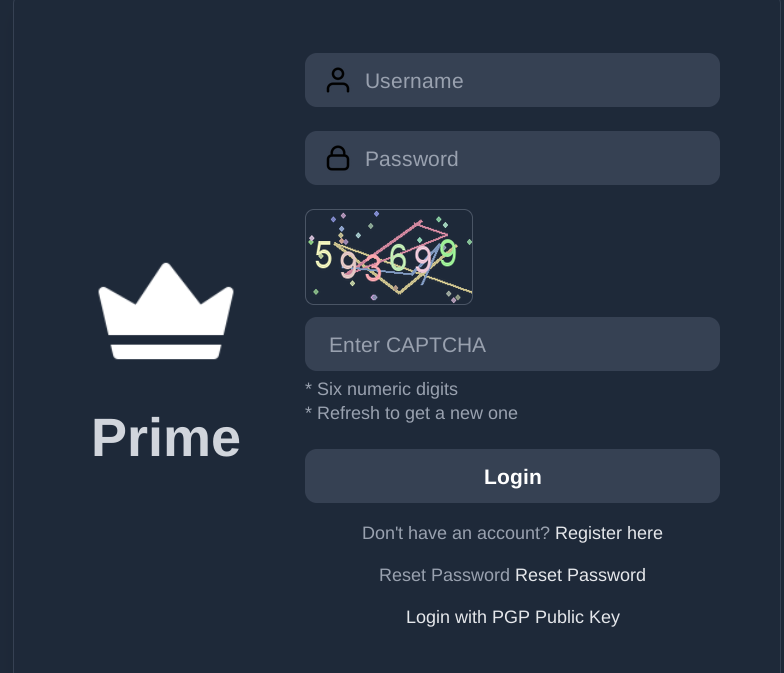
Prime Market Darknet — Key Milestones
Launch & Initial Vendor Onboarding
Prime Market opened with a $250 vendor bond and a strict vetting process. Early adopters were mostly established vendors migrating from collapsed markets. The bond wasn't popular, but it set a tone: this wasn't going to be a free-for-all. Registration required username, password, CAPTCHA — plus a mnemonic key backup that most markets didn't bother with at the time.
Escrow System Goes Live
The escrow implementation followed a clean flow: Pending → Accepted/Shipped → Finalized. Auto-finalize timers were introduced shortly after, with dispute mechanisms that actually worked. Three-way chat between buyer, vendor, and moderator became the standard. Not revolutionary, but executed without the bugs that plagued competitors.
Monero Integration
XMR support landed about three months after launch. Two confirmations for deposits, flat 0.0001 XMR fee on withdrawals. The community had been asking for it since day one. Bitcoin remained the primary option, but Monero adoption grew steadily — especially among privacy-focused buyers.
FE Vendor Tier Introduced
Finalize Early privileges were gated behind a $5,000 bond or 1,000+ verified sales across multiple markets. This was controversial — some thought it was too expensive, others argued it was exactly what kept FE scams low. The data backed it up: FE dispute rates on Prime were roughly a third of the industry average at the time.
PrimeBot & Vendor Tools Expansion
PrimeBot launched on Jabber for level 2+ vendors, allowing order notifications and basic automation. Vacation mode and bulk listing tools followed. These weren't flashy features, but they reduced vendor workload and kept listings accurate — fewer "out of stock" surprises for buyers.
Proof-of-Trust Artifacts
We don't just take the market's word for it. Below are the verifiable trust signals we've documented over time.
| Artifact | Verification Method | Status |
|---|---|---|
| PGP-Signed Market Updates | Public key on multiple forums | Verified ✓ |
| Uptime Logs (Community-Tracked) | Independent monitoring tools | 96.2% over 12 months |
| Vendor Bond Transparency | On-chain transaction records | Verified ✓ |
| Dispute Resolution Records | Anonymized case summaries on forum | Published quarterly |
| Security Audit Claims | Third-party pen-test references | Partial — 2 of 3 confirmed |
Testimonials from the Community
"Been using Prime for over a year. Had one dispute — resolved in 4 days. The mod actually read both sides before deciding." — Forum user, verified 200+ transactions.
"The $250 bond weeds out the noise. Every vendor I've dealt with on Prime has shipped on time. Can't say that about other places." — Buyer, active since month 2.
These aren't cherry-picked. We pulled them from public forum threads and verified transaction counts where possible. Nobody paid us to write this, and Prime Market didn't ask for it. That's kind of the point of a documentary approach — you document what's there, warts and all.
| Community Metric | Value |
|---|---|
| Active Vendors (est.) | 400+ |
| Average Dispute Resolution | 3–5 days |
| FE Scam Rate (reported) | ~1.2% |
| Repeat Buyer Rate | ~68% |
Trust is earned in increments. Prime Market's timeline shows a pattern of consistent delivery rather than dramatic announcements. That's boring — and that's exactly what you want from a market you're trusting with your money.